
Trézor.io/Start — Starting Up™ Your Device | Trézor®
Trezor.io/start provides a simple starting point for Trezor hardware wallet setup, helping users initialize devices, protect recovery details, connect Trezor Suite, and manage supported assets.
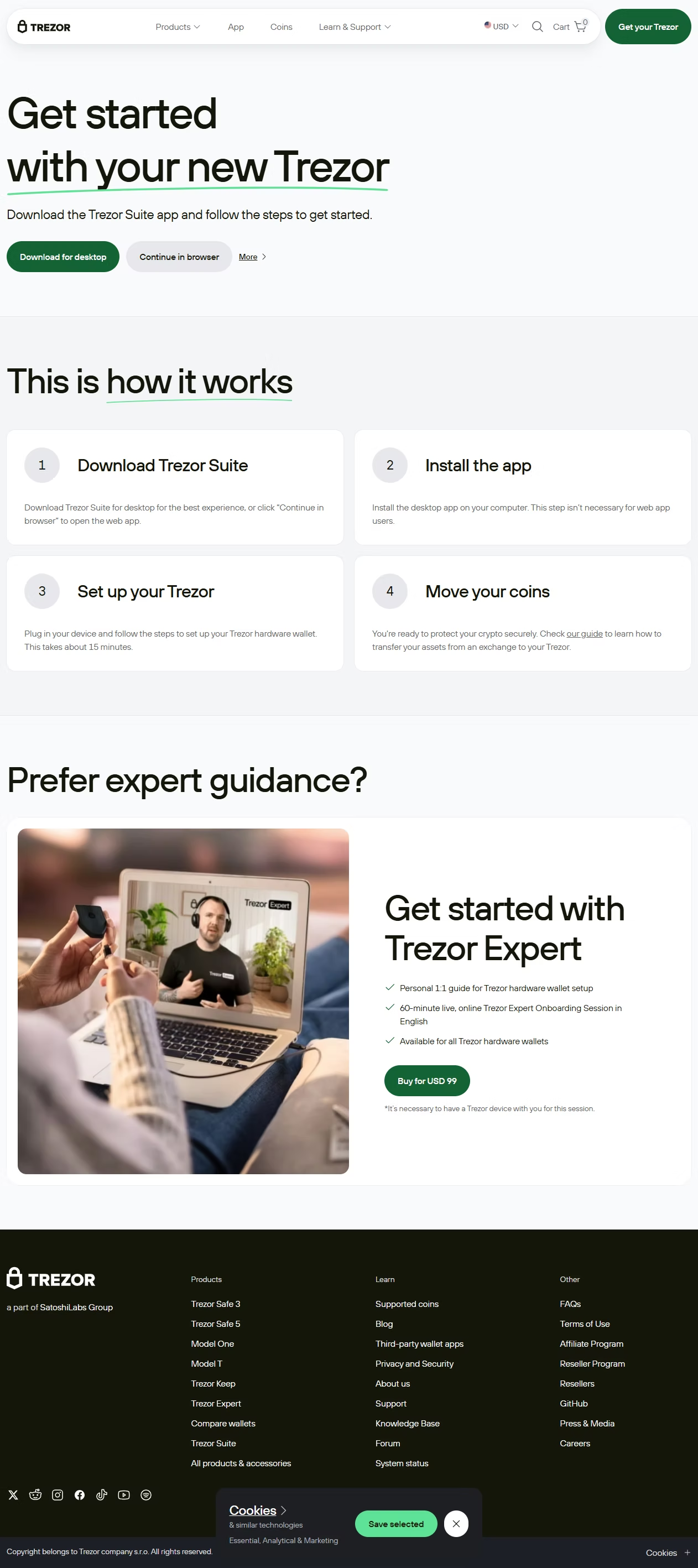
Trezor.io/start: Complete Guide to Setting Up Your Trezor Wallet
Getting started with a hardware wallet can seem confusing when you are new to cryptocurrency. You may need to understand wallet software, device setup, recovery information, security practices, and account management. Trezor.io/start is commonly used as the starting point for learning how to initialize a Trezor hardware wallet and prepare it for secure crypto management.
What Is Trezor.io/start?
Trezor.io/start refers to the Trezor setup starting point where users can begin the onboarding process for a compatible Trezor hardware wallet. Instead of relying on random instructions from forums or unfamiliar websites, users should begin with trusted Trezor resources when setting up their device.
A hardware wallet works differently from a traditional software-only wallet. The device is designed to keep sensitive signing information protected while allowing users to interact with supported cryptocurrency networks through wallet software.
For beginners, following the correct setup process is important because mistakes involving recovery information or unauthorized software can create serious security risks.
Why Use a Trezor Hardware Wallet?
A hardware wallet provides an additional layer of protection for managing digital assets. Rather than keeping important wallet credentials directly exposed on an everyday computer, the hardware device is designed to keep sensitive operations within the device.
With a properly configured Trezor wallet, users can review transactions and approve important actions using the physical device. This creates a clear separation between the computer used for accessing wallet software and the hardware responsible for transaction authorization.
However, a hardware wallet does not remove every security risk. Users still need to protect their recovery information, verify transactions carefully, and avoid suspicious websites or applications.
How to Begin With Trezor.io/start
Before beginning the setup process, place your Trezor device, compatible cable, and computer or mobile device nearby. A stable internet connection can also make the onboarding process smoother.
Start by visiting the genuine Trezor website rather than following advertisements, unsolicited messages, or links received through social media. Confirm the website address carefully before entering any information or connecting your device.
Once the setup environment is open, follow the instructions presented for your particular Trezor model. The exact screens and available options can vary depending on the device and software version.
Create and Protect Your Recovery Backup
One of the most important parts of hardware wallet setup is creating a secure recovery backup. This information can be extremely important because it may provide the ability to restore access to wallet accounts if the original device becomes unavailable.
Write the recovery information down carefully using the recommended method provided during setup. Check every word and its order before completing the process.
Never share your recovery information with another person. It should not be photographed, uploaded to cloud storage, saved in an email, or typed into an unknown website.
A legitimate support representative should never need your complete recovery backup to “verify” your wallet. Anyone requesting it should be treated as a potential security threat.
Set Up Device Security
During initialization, you may be asked to configure security features for your Trezor device. Create a device access method that you can remember without making it obvious to others.
Keep physical control of the hardware wallet whenever possible. If another person has access to both the device and sensitive recovery information, your digital assets may be at risk.
It is also useful to keep the recovery backup separate from the device. If both are stored together, losing one location could potentially expose everything needed to restore the wallet.
Connect Your Wallet Software
After initializing the hardware wallet, the next step is generally connecting it with compatible wallet software. Trezor Suite is designed to provide an interface for interacting with supported Trezor devices.
Through wallet software, users can view accounts, monitor balances, receive cryptocurrency, prepare transactions, and manage supported assets. The hardware wallet remains an important part of the authorization process.
Always download wallet software from an official source. Avoid unofficial downloads, modified applications, and suspicious browser extensions.
Receiving Cryptocurrency
Receiving cryptocurrency usually involves generating or displaying a receiving address through the wallet interface.
Before sending funds, carefully verify the displayed address. For larger transfers, consider sending a small test amount first when appropriate.
Remember that cryptocurrency transactions can be difficult or impossible to reverse after confirmation. A simple address error can therefore have serious consequences.
Using the hardware device to verify important transaction information adds another opportunity to catch mistakes before approving an action.
Sending Cryptocurrency Safely
When sending digital assets, avoid rushing through the transaction screen. Check the destination address, network, amount, and applicable fees before confirming.
Your computer may display transaction information, but the hardware wallet can provide an additional confirmation step. Read the details shown on the device carefully.
If anything looks unexpected, stop the transaction and investigate before approving it.
Avoid Common Trezor Security Mistakes
Many wallet security problems are caused by social engineering rather than technical failures. Be cautious of messages claiming that your wallet is compromised, your account requires urgent verification, or your recovery backup must be entered to fix a problem.
Never enter your recovery words into a website, email form, computer application, or message simply because someone tells you to do so.
Keep your wallet software and device firmware maintained according to official guidance, and verify updates through trusted sources.
Make Trezor Wallet Management a Routine
After completing the initial setup through Trezor.io/start, managing cryptocurrency becomes a matter of following consistent security habits.
Review transaction details before approving them, keep your recovery backup private, use trusted software, and remain skeptical of unexpected requests. Regularly checking your accounts can also help you recognize unfamiliar activity quickly.
A secure wallet experience depends not only on the hardware itself but also on the decisions made by the person using it.
Final Thoughts
Trezor.io/start can serve as a useful starting point for users preparing a Trezor hardware wallet. The most important part of the process is not simply connecting the device but understanding how recovery backups, transaction confirmation, wallet software, and security practices work together.
Take your time during setup, use trusted Trezor resources, protect your recovery information, and carefully verify every transaction. With these habits in place, beginners can build a more secure and confident approach to managing their cryptocurrency.
Updated about 9 hours ago